
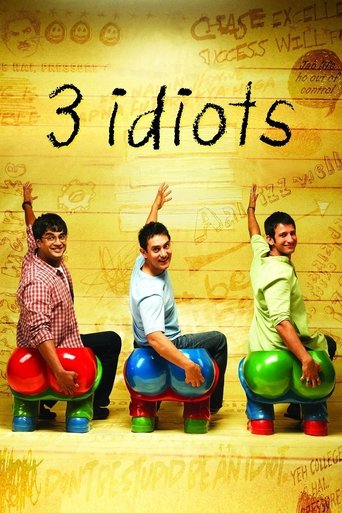
 3 Idiots2009 · ★ 8.0
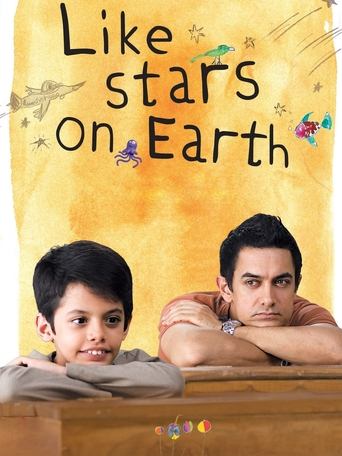 Like Stars on Earth2007 · ★ 8.0
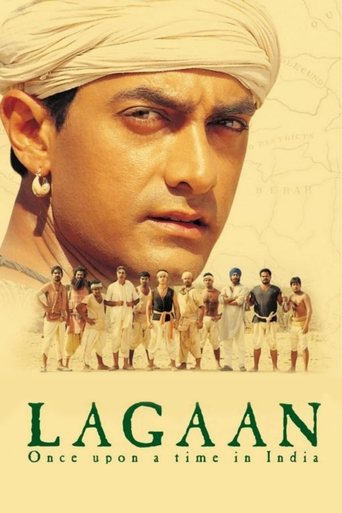 Lagaan: Once Upon a Time in India2001 · ★ 7.3
 Kabhi Khushi Kabhie Gham2001 · ★ 7.7
 Kal Ho Naa Ho2003 · ★ 7.5
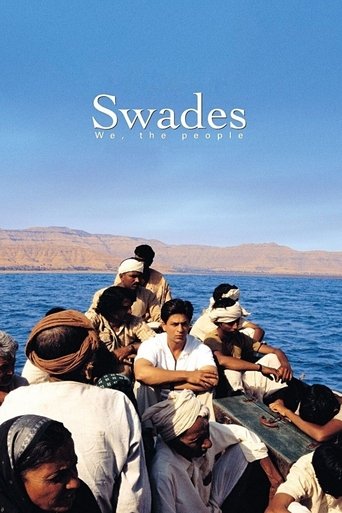 ★ 7.3Swades2004
MoviPK
166 films and fourteen star pages, each film with its cast, its rating and a Watch now button.
Most watched
Stars
The 2000s
See all (34)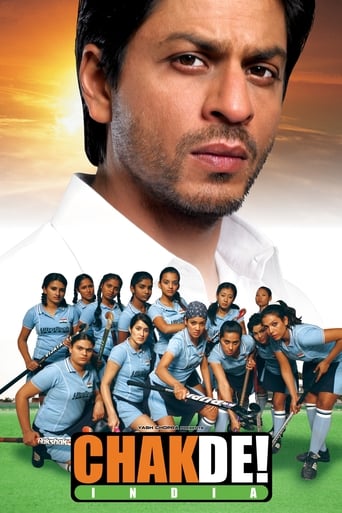 ★ 7.2
 ★ 6.9
 ★ 7.3
 ★ 7.1
 ★ 7.2
2010 to 2015
See all (41) ★ 6.5
 ★ 7.6
 ★ 7.3
 ★ 7.3
 ★ 7.2
 ★ 7.3
2016 to 2019
See all (44) ★ 6.8
 ★ 7.0
 ★ 6.4
 ★ 7.4
 ★ 7.3
 ★ 6.4
The 2020s
See all (28)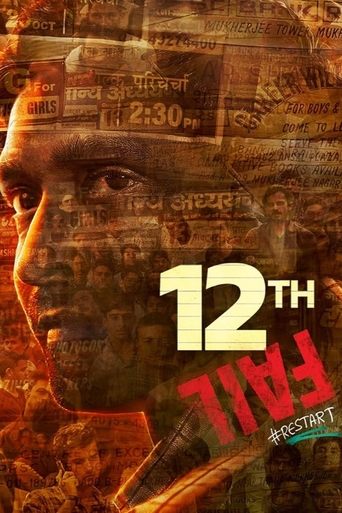 ★ 7.9
 ★ 6.3
 ★ 6.4
 ★ 5.9
 ★ 6.9
 ★ 7.6
Before 2000
See all (19)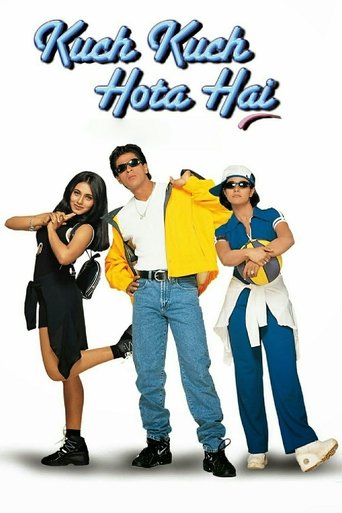 ★ 7.5
 ★ 6.9
 ★ 6.0
 ★ 7.0
 ★ 6.1
 ★ 6.7
Sport
See all (20) ★ 7.0
 ★ 6.3
 ★ 6.2
 ★ 6.1
 ★ 7.0
 ★ 7.2
More lists
Comedy 97Drama 138Romance 89Family 18Action and history 19True stories 12Top rated 23
The MoviPK guide
MoviPK: Hindi movies by star and by decade, from Mother India, Kuch Kuch Hota Hai and Lagaan to Kabhi Khushi Kabhie Gham, 3 Idiots, Barfi! and 12th Fail
MoviPK is a guide to Hindi cinema, the films made in Mumbai that are watched from Karachi to Kuala Lumpur and far beyond. It lists 166 films released between 1957 and 2025, with titles and summaries in English, and it sorts them in the two ways that audiences in South Asia have always sorted their films: by star and by decade. Fourteen actors have pages of their own. Each film has its cast, its rating, a summary and a single Watch now button. Played end to end, the catalogue would last about 397 hours.
The selection favours the films that families watch together. It is full of romance, comedy, song, sport and stories of ordinary people who do something remarkable, and it was screened by hand so that every title can be put on with grandparents and children in the room. It reaches from the black-and-white classics of the 1950s to films released this year, with the richest years, from 1997 to 2019, covered most thoroughly.
This guide goes through the home page, the stars and the decades in turn, then the lists by subject, and ends with practical answers. How to watch with MoviPK gives the short version.
How MoviPK works
The page is ivory with an emerald header. The logo, a crescent and a small gold star, sits at the left; a wide search box stands in the middle, and a link to My Shelf at the right. A darker green bar carries the menu: Home, Stars, five periods, Top rated and A-Z.
The home page opens with a row of five large posters numbered from one to five, the most watched films in the guide. Under them a green panel holds the star rail: fourteen round badges, each with an actor's initials, name and number of films. Six rows of posters follow, one for each period and one for sport, and a line of seven further lists closes the page above the guide.
A film page gives the poster, the year, the running time, the score out of ten, a summary and the cast with their roles. The country selector beside the Watch now button offers sixteen countries and begins with Pakistan, India, the United Arab Emirates and Saudi Arabia; choose one, press the button, and JustWatch lists the subscription, rental, purchase and free services that carry the film there. Finding a film describes the search box and the lists.
The five most watched
The numbered row is decided by audience size, counted by the number of ratings each film has received. First is 3 Idiots, Rajkumar Hirani's comedy of 2009 about three room-mates at a college of engineering and the search, ten years later, for the friend who changed them. Second is Like Stars on Earth, in which an art teacher discovers why a bright eight-year-old is failing at school.
Third is Lagaan: Once Upon a Time in India. It is set in 1893 in a village suffering from drought, where a young farmer accepts a wager from a British officer: if the villagers can beat the regiment at cricket, a game they have barely seen, their land tax will be cancelled for three years. The film runs for three hours and fifty-three minutes, was nominated for an Academy Award, and turns its final match into one of the great set pieces of popular cinema.
Fourth and fifth are two family epics of the early 2000s. Kabhi Khushi Kabhie Gham gathers six of the biggest stars of its day for the story of a son cast out by his proud father and the younger brother who sets out to bring him home. Kal Ho Naa Ho is set among Indian families in New York, where a newcomer with a secret brightens the life of a serious young woman and her quarrelling household.
The star rail
Fourteen actors have six or more films in the guide, and each has a collection reached from the green rail. Shah Rukh Khan leads with fourteen films, Akshay Kumar has eleven and the late Rishi Kapoor nine. Ranbir Kapoor, Priyanka Chopra Jonas, Rajkummar Rao and Anushka Sharma have eight each. Aamir Khan, Amitabh Bachchan, Shahid Kapoor and Katrina Kaif have seven, and Kareena Kapoor Khan, Rani Mukerji and Salman Khan six.
Following a star is the traditional way to explore Hindi cinema, because a star's name promises a certain kind of evening. An Aamir Khan film is likely to have an idea behind it. A Shah Rukh Khan film will have romance, wit and at least one scene with his arms flung wide. An Akshay Kumar comedy moves fast, and a film with Rajkummar Rao is probably set in a small town and written with care. The stars guide introduces all fourteen.
Shah Rukh Khan
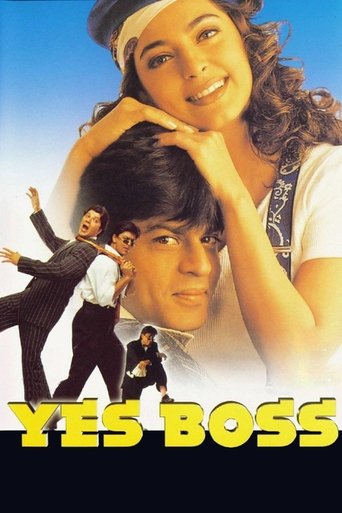
The longest star page belongs to Shah Rukh Khan, with fourteen films from 1997 to 2018. The four from the nineties show how he became the leading romantic hero of his time. Yes Boss is a comedy about an ambitious assistant. Pardes sends him to America as the foster brother of a spoiled bridegroom. Dil To Pagal Hai, directed by Yash Chopra, is set in a dance company, and Kuch Kuch Hota Hai, Karan Johar's first film, follows three college friends and an eight-year-old girl determined to reunite two of them.
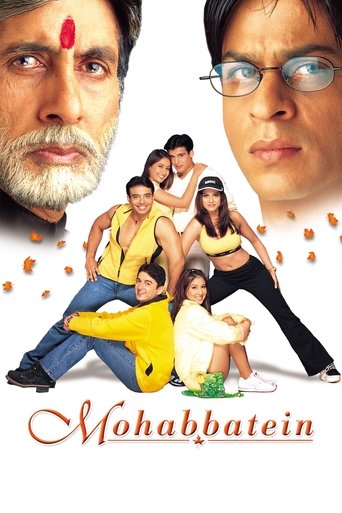
The 2000s brought his grandest films. In Mohabbatein he is a music teacher who brings love into a school ruled by a stern headmaster, played by Amitabh Bachchan. Kabhi Khushi Kabhie Gham and Kal Ho Naa Ho have been described, and Chalte Chalte follows a marriage through its first hard years. Swades is the quietest and perhaps the best: a scientist working for the American space agency visits the village of the woman who raised him and finds he is unable to leave it as it is.
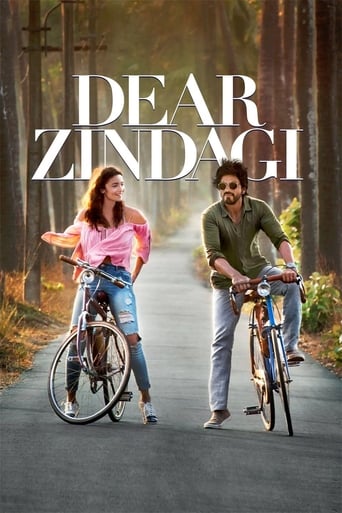
The later films show him widening his range: the hockey coach of Chak De! India, the reluctant traveller of Chennai Express, the therapist of Dear Zindagi, the tour guide of Jab Harry Met Sejal and the unusual hero of Zero. The Shah Rukh Khan page lists all fourteen by decade.
Aamir Khan and Salman Khan
Aamir Khan makes few films and chooses them with care, and the seven here include three of the most admired in the guide. Rangeela and Ishq come from the nineties; in the first he plays a street-smart ticket seller in love with a friend who is becoming a film star. Dil Chahta Hai, in 2001, changed the look and sound of Hindi cinema with its story of three friends after college. Lagaan: Once Upon a Time in India, which he also produced, came out the same year. Like Stars on Earth was his first film as director, 3 Idiots followed, and Sitaare Zameen Par, from 2025, casts him as a basketball coach assigned to a team of players with intellectual disabilities.
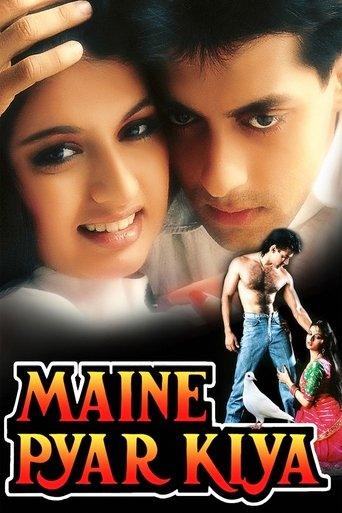
Salman Khan's six films begin with Maine Pyar Kiya of 1989, the romance that made him a star at twenty-three. Mujhse Shaadi Karogi is a seaside comedy of rivalry, Baghban gives him a warm supporting part, and Yuvvraaj is a musical drama about three brothers. Bodyguard and Sultan, in which he plays a wrestler who must win back his self-respect, show the later star. The Aamir Khan and Salman Khan page covers both.
Amitabh Bachchan, Rishi Kapoor and Akshay Kumar
Amitabh Bachchan has been a star since the early 1970s, and his seven films here span forty years. Namak Halaal of 1982 is a comedy from his reign as the leading man of Hindi cinema. In the 2000s he became its patriarch: the headmaster of Mohabbatein, the father of Kabhi Khushi Kabhie Gham and the retired banker of Baghban, whose grown sons divide their parents between two homes. Paa, Bhoothnath Returns and Piku show how playful he became in later years.
Rishi Kapoor first appeared on screen as a boy in his father's film Mera Naam Joker in 1970, and his nine films trace a whole life in cinema. He plays a father in Hum Tum, Namastey London and Patiala House, a film producer in Luck by Chance, and the mischievous ninety-year-old grandfather of Kapoor & Sons, played under heavy make-up.
Akshay Kumar's eleven films are mostly comedies: Mujhse Shaadi Karogi, Deewane Huye Paagal, Chalo Dilli, Khel Khel Mein and Selfiee. Namastey London and Patiala House are set among British Indians, and Mission Mangal casts him as the leader of the team that sent a spacecraft to Mars on a small budget.
The newer stars
Ranbir Kapoor, Rishi Kapoor's son, has eight films, among them Wake Up Sid, Rocket Singh: Salesman of the Year, Barfi!, Yeh Jawaani Hai Deewani and Tamasha. Shahid Kapoor's seven run from Jab We Met to Jersey, in which a former cricketer of thirty-six attempts a comeback for his son's sake. Rajkummar Rao's eight include Queen, Newton, Bareilly Ki Barfi and Chhalaang, a comedy about a lazy sports teacher who finally finds a reason to try.
Five actresses have pages. Rani Mukerji appears in Kuch Kuch Hota Hai, Hum Tum, Chalte Chalte and Hichki. Kareena Kapoor Khan is the unforgettable Geet of Jab We Met. Katrina Kaif leads Namastey London and Mere Brother Ki Dulhan. Priyanka Chopra Jonas has eight films, from Mujhse Shaadi Karogi to Mary Kom and The Sky Is Pink, and Anushka Sharma eight, among them Band Baaja Baaraat, Sultan and Phillauri, in which she plays a friendly ghost from another century. The leading women page links to their lists.
Before 2000
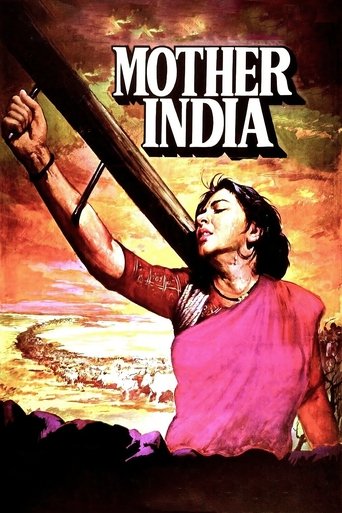
Nineteen films date from before 2000, and they are the foundation of everything else. The oldest is Mother India of 1957, Mehboob Khan's epic about a village woman who raises her sons alone through flood and debt and holds to her principles at great cost. It was India's first nomination for an Academy Award and is still shown wherever Hindi films are loved. Kaagaz Ke Phool, directed by Guru Dutt in 1959, is a melancholy story of a film director, photographed in beams of studio light that have been admired ever since.
The seventies and early eighties were a golden period for gentle comedy about the middle classes. Gol Maal has a young clerk invent a twin brother to hide his love of sport and music from a strict employer, and scores 7.6. Chashme Buddoor follows three student flatmates in Delhi and the girl who sells washing powder door to door. Angoor turns a Shakespeare comedy into the tale of two sets of twins loose in one town. Rajnigandha is a quiet story of a woman choosing between two men, and Seeta and Geeta gave Hema Malini two parts, as a timid heiress and her fearless lost sister.
Manthan stands apart: a drama about a dairy cooperative that was paid for by half a million farmers, each of whom gave two rupees. Mera Naam Joker, Raj Kapoor's story of a circus clown, is the longest film in the guide at 248 minutes. The nineties are represented by Maine Pyar Kiya, Rangeela, Ishq, Dil To Pagal Hai, Pardes, Yes Boss, Kuch Kuch Hota Hai and Taal, a musical with a celebrated score by A. R. Rahman. The classics guide sets them in order.
The 2000s
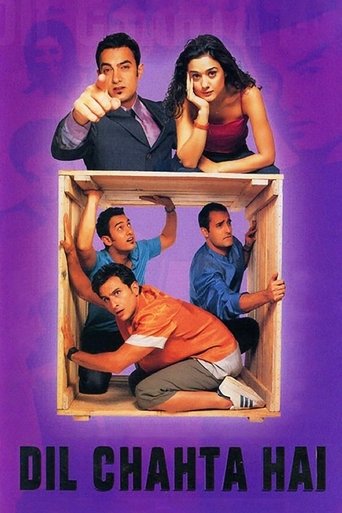
The first row of posters on the home page belongs to the 2000s, thirty-four films from a decade when Hindi cinema found a worldwide audience. The family epics came first, Mohabbatein, Kabhi Khushi Kabhie Gham and Kal Ho Naa Ho. Beside them a new, lighter style appeared. Dil Chahta Hai was written and directed by Farhan Akhtar in his twenties and showed young city people as they actually spoke. Hum Tum followed a couple who meet and argue in several cities across the years, with cartoon versions of themselves commenting between scenes. Socha Na Tha was the first film by Imtiaz Ali, who went on to make Jab We Met.
The decade's best films often had a social conscience. Swades asked what a successful emigrant owes his country. Chak De! India was about unity as much as hockey. Baghban asked how grown children should treat their parents, and Welcome To Sajjanpur found comedy in a village where one educated man writes everybody's letters.
It ended strongly, with Like Stars on Earth, Wake Up Sid, Rocket Singh: Salesman of the Year, Luck by Chance, an affectionate look at the film industry itself, Paa and 3 Idiots.
2010 to 2019
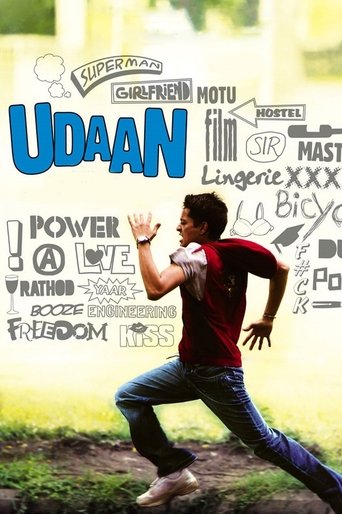
Two rows cover the 2010s, forty-one films from the first six years and forty-four from the last four. The early part of the decade produced Udaan, Band Baaja Baaraat, Barfi!, English Vinglish, Queen, Piku and Dum Laga Ke Haisha, films built around a strong script and a character instead of a formula. Smaller treasures sit beside them. Stanley Ka Dabba is about a schoolboy who arrives each day lacking a lunch box and the teacher who notices for the wrong reasons. Ankhon Dekhi follows an elderly man in Old Delhi who decides one day to believe only what he has seen with his own eyes. Chillar Party is a comedy about a gang of children defending a stray dog.
The later part belongs to stories from small towns and real lives: Hindi Medium, Bareilly Ki Barfi, Newton, Tumhari Sulu, in which a homemaker wins a contest and becomes the voice of a late-night radio programme, Hichki, Sui Dhaaga - Made in India, Super 30 and Chhichhore. Mukti Bhawan takes a father and his busy son to a guest house in Varanasi, and Photograph begins when a street photographer at the Gateway of India asks a stranger to pose as his fiancée for his grandmother's sake.
Happy Bhag Jayegi deserves a mention on a guide with this name: its runaway bride from Amritsar jumps into the wrong lorry and wakes up across the border in Lahore, in the house of a kindly politician's son. The five periods page links to every list.
The 2020s
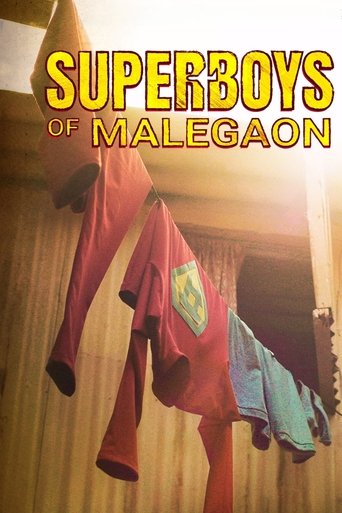
The newest row has twenty-eight films from 2020 to 2025. 12th Fail is the outstanding title, the true story of a young man from a poor village who studies for the hardest examination in the country while working in a flour mill, and it scores 7.9. Superboys of Malegaon follows a group of friends in a small weaving town who make their own versions of famous films with borrowed cameras. Gulmohar gathers a Delhi family for a last weekend in the house they are about to sell, with Sharmila Tagore as the grandmother.
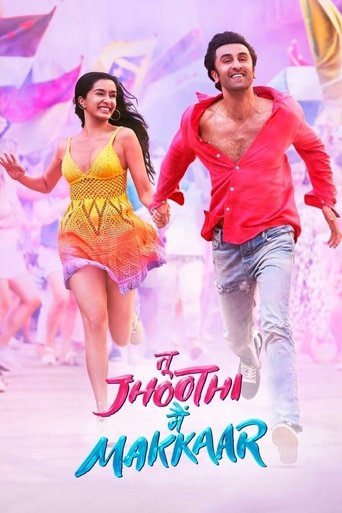
The decade's comedies include Zara Hatke Zara Bachke, Bhool Chuk Maaf, Khel Khel Mein and Teri Baaton Mein Aisa Uljha Jiya, and its romances Meenakshi Sundareshwar, Tu Jhoothi Main Makkaar and Saiyaara. Sport has been its great subject, with Jersey, Maidaan, Panga, Rashmi Rocket and Shabaash Mithu all released in five years.
Top rated
The Top rated list holds the twenty-three films that score 7.3 or higher from at least fifty ratings. 3 Idiots and Like Stars on Earth share first place at 8.0, and 12th Fail follows at 7.9. Three films stand at 7.7: Chhichhore, The Sky Is Pink and Kabhi Khushi Kabhie Gham.
At 7.6 come Barfi!, Hichki, Gol Maal and Superboys of Malegaon, and at 7.5 Kal Ho Naa Ho and Kuch Kuch Hota Hai. The rest of the list includes Hindi Medium, Manjhi: The Mountain Man, Lagaan: Once Upon a Time in India, Swades, Queen, Udaan and Mera Naam Joker.
The list spans fifty-five years, from a clown's story of 1970 to a film released in 2025, and Aamir Khan stars in both of the films at its head. The top rated page gives the order.
Comedy
Comedy is the second largest list, with ninety-seven films, and it has a flavour for every taste. The gentle classics of the seventies and eighties have been mentioned. Their modern heirs are films such as Atithi Tum Kab Jaoge?, in which a distant uncle arrives for a short visit and shows every sign of staying for ever, and Chalo Dilli, which sends a fastidious banker across northern India in the company of a cheerful shopkeeper.
Broader comedy has its place. All the Best: Fun Begins and Dhol are farces built on borrowed money and mistaken identities, Mubarakan doubles Arjun Kapoor as twin brothers at one chaotic wedding, and Cirkus returns to the twins of Angoor in a 1960s setting. Chashme Baddoor, from 2013, is a brightly coloured new version of the 1981 film with the Pakistani singer and actor Ali Zafar among its three friends.
The newest comedies are set in small towns and concern marriage: Bareilly Ki Barfi, Zara Hatke Zara Bachke, Ginny Weds Sunny and Bhool Chuk Maaf. Qarib Qarib Singlle, with Irrfan Khan as a talkative poet on a tour of his former sweethearts, is among the most charming. The comedy guide groups the list.
Romance and drama
Drama is the largest list with 138 films, and romance has eighty-nine; in Hindi cinema the two are seldom apart. The grand romances of the Yash Raj and Dharma studios set the standard: Dil To Pagal Hai, Kuch Kuch Hota Hai, Mohabbatein and Kal Ho Naa Ho, with their mountain meadows, their wedding songs and their belief that love is worth any wait. Taal and Pardes add the theme of the Indian abroad.
A quieter line runs beside them. Rajnigandha in 1974 already looked at love as an everyday decision. Lootera sets a doomed romance in a Bengal mansion in the 1950s. Photograph and Three of Us, in which a woman revisits the coastal town of her childhood, say a great deal with very few words. Laila Majnu moves the old legend to modern Kashmir, and Fitoor does the same for a novel by Charles Dickens.
Among the dramas, Udaan, Swades and Mukti Bhawan have been praised already. Baghban and Gulmohar are about ageing parents. The Sky Is Pink is a family's story told with humour by the daughter at its centre, and Waiting brings together two strangers, one young and one old, in a hospital corridor. The romance and drama guide covers both lists.
Sport
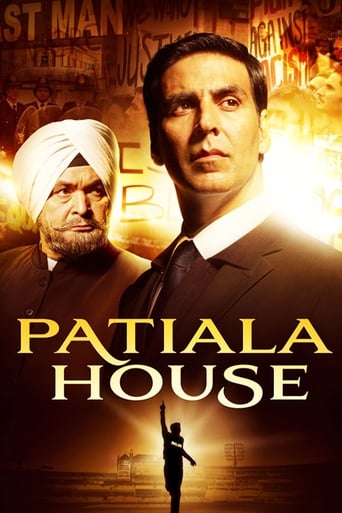
The last row of posters on the home page is given to sport, twenty films, and it is one of the strongest lists in the guide. Cricket leads, as it must. Lagaan: Once Upon a Time in India invents a match; M.S. Dhoni: The Untold Story retells a real career; Jersey and Kaun Pravin Tambe? are both about men who refuse to give up the game in middle age, and Pravin Tambe really did make his first appearance in the Indian Premier League at forty-one. Patiala House follows a British Asian fast bowler, and The Zoya Factor is a comedy about a team's lucky charm.
Hockey has Chak De! India and Soorma, the true story of a player who returned to the national side after a serious injury. Maidaan honours the football coach who took India to a gold medal at the Asian Games of 1962. Sultan is about wrestling, Mary Kom about boxing, Panga about a kabaddi player who returns to the sport as a mother, Rashmi Rocket about a sprinter and Shabaash Mithu about the captain of the women's cricket team.
Budhia Singh: Born to Run tells of a small boy who ran astonishing distances and of the coach who trained him, and Sitaare Zameen Par puts Aamir Khan in charge of a basketball team. The sport guide sorts the twenty by game.
True stories
Twelve films are based on real people, and most of them were chosen because their subjects began with very little. Manjhi: The Mountain Man is the story of Dashrath Manjhi, a labourer from Bihar who spent twenty-two years cutting a road through a rocky ridge with a hammer and chisel so that his village could reach a doctor. Super 30 is about Anand Kumar, who teaches mathematics to thirty gifted students from poor families each year. Hawaizaada imagines the life of an Indian inventor said to have flown a machine in 1895.
The athletes of Mary Kom, Soorma, Maidaan, Kaun Pravin Tambe?, Budhia Singh: Born to Run and Shabaash Mithu account for half the list. The Sky Is Pink is drawn from the life of a young writer and speaker and her devoted parents. The true stories guide lists all twelve.
Family and children
Nearly everything in the guide can be watched by a family, and the list marked Family holds the eighteen films made with younger viewers most in mind. Three are about children at school: Like Stars on Earth, Stanley Ka Dabba and Paathshaala. Chillar Party won national awards for its cast of young actors. Nil Battey Sannata is about a housemaid who enrols in her own daughter's class to persuade the girl that study matters, and it is as funny as it is moving.
Parents and grandparents are honoured in Baghban, Paa, Piku and Gulmohar. Fantasy is represented by Bhoothnath Returns, with its ghost who runs for office, Phillauri and Teri Baaton Mein Aisa Uljha Jiya, a comedy about a man who falls for a very lifelike robot. Chintu Ka Birthday, the shortest film in the guide at eighty-three minutes, is about an Indian family abroad trying to hold a sixth birthday party in difficult times. The family and children guide has more.
Directors behind the stars
The stars sell the tickets, and the directors shape the films. A few names recur. Karan Johar made Kuch Kuch Hota Hai, Kabhi Khushi Kabhie Gham and Ae Dil Hai Mushkil, and his company produced many more. Ashutosh Gowariker directed Lagaan: Once Upon a Time in India, Swades and Mohenjo Daro, three very long films with very different settings. Rajkumar Hirani made 3 Idiots. Imtiaz Ali made Socha Na Tha, Jab We Met, Tamasha and Jab Harry Met Sejal.
The gentle comedies of the seventies came from a small group of directors: Hrishikesh Mukherjee made Gol Maal, Basu Chatterjee Rajnigandha, Sai Paranjpye Chashme Buddoor and Gulzar Angoor. Shyam Benegal, the leading figure of India's art cinema, is represented by Manthan and, thirty-two years later, Welcome To Sajjanpur.
Among the newer directors, Zoya Akhtar made Luck by Chance and Dil Dhadakne Do. Shoojit Sircar made Piku and October. Nitesh Tiwari made Chhichhore, Ashwiny Iyer Tiwari Nil Battey Sannata, Bareilly Ki Barfi and Panga, and Vidhu Vinod Chopra, the producer of 3 Idiots, returned to directing with 12th Fail.
The songs
A Hindi film is also an album. Every film in the guide, with a handful of exceptions, has songs, and many are remembered for them as much as for their stories. The music of Taal, Rangeela, Lagaan: Once Upon a Time in India and Swades was composed by A. R. Rahman. The title song of Kal Ho Naa Ho is sung on a rooftop with the bridges of New York behind it, and the songs of Dil Chahta Hai sounded like the pop music its young audience was already playing.
Songs do several jobs. Some move the plot along; some stop it for a celebration, as wedding songs do; some take the lovers to a mountain or a tulip field that has little to do with the story and everything to do with how they feel. The actors seldom sing themselves. The voices belong to playback singers, artists who are stars in their own right, and audiences know them by name.
A few films in the guide are about music directly. Fanney Khan is about a father's dream for his daughter's voice, ABCD and Street Dancer 3D are dance films, and Tumhari Sulu is set in a radio station.
Choosing by the time you have
Hindi films are long, and a guide should say so plainly. Most of the films here run between two hours and two and three-quarter hours. The three longest are Mera Naam Joker at 248 minutes, Lagaan: Once Upon a Time in India at 233 and Mohabbatein at 216; all three were made to be shown with an interval, and the first of them originally had two.
Shorter films exist for busy evenings. Chintu Ka Birthday lasts eighty-three minutes, Waiting ninety-two and Stanley Ka Dabba ninety-six. Many of the newer small-town comedies and dramas finish in under two hours, among them Newton, Mukti Bhawan, Photograph and Dum Laga Ke Haisha.
The sensible course is to treat a long film as the whole evening. Start early, pause at the interval, which usually arrives with a twist a little after the halfway mark, and come back with tea. Films built this way are paced for it, and the second half of Lagaan: Once Upon a Time in India, which is almost entirely one cricket match, passes faster than many films half its length.
Choosing by the company you keep
For a family with young children, begin with Like Stars on Earth, Chillar Party, Stanley Ka Dabba and Bhoothnath Returns. For older children and teenagers, 3 Idiots, Chhichhore, Chak De! India and the dance films ABCD and Street Dancer 3D are favourites.
For grandparents, the classics are a pleasure to revisit: Mother India, Seeta and Geeta, Gol Maal, Namak Halaal and Maine Pyar Kiya. They will also enjoy Baghban, Piku and Gulmohar, which take their side.
For a couple, the guide suggests Jab We Met, Hum Tum, Band Baaja Baaraat or Meenakshi Sundareshwar, about newly-weds kept apart by a job in another city. And for the largest gathering, at Eid, at Diwali or at a wedding weekend, the choice is traditional: Kabhi Khushi Kabhie Gham, whose subtitle promises that it is all about loving your parents.
Places in the films
The catalogue is a tour of the subcontinent and of the places where its people have settled. Delhi appears in Band Baaja Baaraat, Queen, Hindi Medium, Ankhon Dekhi and Chashme Buddoor. Mumbai is the city of Wake Up Sid, Rangeela, Photograph and Luck by Chance. Kolkata closes Piku; Varanasi is the setting of Mukti Bhawan; Kashmir of Laila Majnu and Fitoor; Punjab of Jab We Met, Phillauri and Sui Dhaaga - Made in India in spirit.
The villages matter as much as the cities. Lagaan: Once Upon a Time in India, Swades, Manthan, Mother India and Welcome To Sajjanpur are all set in the countryside, a century and more apart. The small towns of the north supply Bareilly Ki Barfi, Dum Laga Ke Haisha and Superboys of Malegaon.
Abroad, the films follow the diaspora. London and its suburbs appear in Namastey London, Patiala House and Kabhi Khushi Kabhie Gham. New York is the home of Kal Ho Naa Ho, English Vinglish and Ta Ra Rum Pum. Dil Chahta Hai travels to Sydney, Queen to Paris and Amsterdam, Tamasha to Corsica and Happy Bhag Jayegi to Lahore.
What the films care about
Seen together, the 166 films return to a few subjects again and again. The first is the family, and in particular the duty that parents and children owe one another. Kabhi Khushi Kabhie Gham, Baghban, Piku, Kapoor & Sons and Gulmohar each ask how a family stays together when its members want different lives.
The second is education. 3 Idiots, Like Stars on Earth, Hichki, Super 30, 12th Fail, Chhichhore, Hindi Medium, Nil Battey Sannata and Paathshaala look at schools and examinations from every side: the pupil's, the teacher's and the anxious parent's. Few film industries have taken the classroom so seriously.
The third is the question of home. Swades, Pardes, Namastey London and Patiala House are about people who have left and wonder whether to return. The fourth is the wedding, which appears in some form in at least a quarter of the catalogue and gives the cinema its brightest colours and best-known songs. The fifth, growing fast, is sport, where the underdog story that Hindi cinema loves finds its natural stage.
Films to watch in pairs
The star pages and decade rows make it easy to plan two films for a weekend. The most instructive pair is Chashme Buddoor of 1981 and Chashme Baddoor of 2013, the same story told thirty-two years apart, first as a gentle comedy and then as a loud and colourful one. Angoor and Cirkus offer the same comparison.
Other pairs share a subject. Like Stars on Earth and Sitaare Zameen Par are Aamir Khan's two films about teaching, eighteen years apart. Chak De! India and Maidaan are both about coaches who built national teams from players who distrusted each other. Swades and Mission Mangal are both about Indian scientists, and Udaan and Wake Up Sid are both about a young man working out who he is, one in a steel town and one in a comfortable Mumbai flat.
A star can make the pair. Watch Shah Rukh Khan in Kuch Kuch Hota Hai and then in Dear Zindagi, eighteen years later, and the same warmth is there in a wholly different key. Watch Amitabh Bachchan in Namak Halaal and then in Piku for the same effect across thirty-three years.
Stories borrowed and lent
Hindi cinema has always borrowed freely and repaid with interest. Angoor takes its plot from Shakespeare. Aisha moves Jane Austen's matchmaker to the garden parties of Delhi, and Fitoor carries Dickens to Kashmir. Lootera draws its final act from a famous American short story about a painted leaf. Chef, with Saif Ali Khan, is an Indian version of an American film about a cook and a food truck, and Sitaare Zameen Par reworks a Spanish comedy.
The lending has been as generous. 3 Idiots was remade in other languages. Lagaan: Once Upon a Time in India introduced cricket to audiences who were new to the game, and Queen inspired new versions in several Indian languages within a few years. Stories travel, and this cinema has been one of the world's busiest crossroads for them.
A first Hindi film
Visitors new to Hindi cinema sometimes ask where to begin. The guide's advice is to start with one film from each of three kinds. For the grand manner, with stars, songs and tears, choose Kabhi Khushi Kabhie Gham or Kal Ho Naa Ho. For the film with an idea, choose 3 Idiots or Lagaan: Once Upon a Time in India. For the small modern story, choose Queen, Piku or Hindi Medium.
After those three evenings the conventions will be familiar: the interval, the songs, the family gathered at the end. From there the star rail offers the easiest next step, since anyone who liked one film will find a dozen more behind the same pair of initials.
Small films worth finding
The star rail leads to the famous titles, and the guide would be failing its visitors if it left the small ones unmentioned. Ankhon Dekhi is a comedy of ideas set in a crowded family house in Old Delhi, with Sanjay Mishra as the uncle who resolves to trust his own eyes alone. Mukti Bhawan is funny and wise about fathers and sons. Ship of Theseus tells three stories, of a photographer, a monk and a stockbroker, joined by a question about identity.
Welcome To Sajjanpur and Manthan show what Shyam Benegal could do with a village and a patient camera. Luck by Chance is the best film about the film industry in the guide, kind to the strugglers and sharp about the stars. Three of Us and Waiting are chamber pieces for fine actors, and Serious Men is a satire about a clerk who decides that his son will be declared a genius.
Several of these films are led by actors outside the star pages, which is why they are easily missed. The drama list and the Top rated list are the best places to come across them, and each rewards the visitor who leaves the main road for an evening.
The same is true of a handful of light comedies that deserve a larger audience than they found: Socha Na Tha, in which two young people politely refuse the match their families have arranged and then, to everyone's confusion, become friends; Honeymoon Travels Pvt. Ltd., which follows six newly married couples on one bus to Goa; and Daawat-e-Ishq, a romance from Hyderabad and Lucknow in which the food is filmed as lovingly as the leads.
Two more are worth an evening for their settings alone. Hawaizaada recreates the Bombay of the 1890s in rich colour around a dreamer and his flying machine, and Meri Pyaari Bindu wanders through the Kolkata of the 1980s and 1990s with a novelist, his neighbour and a cassette of old film songs that the two of them have been arguing over since childhood.
These films are happy on a small screen in a small room. They are films for a quiet evening and a pot of tea, and Noor, Dear Maya and Tumhari Sulu, three stories of women finding a new direction, belong on the same short list.
My Shelf
My Shelf, at the right of the header, is your own list of films to watch. The list button on a film page adds the film, and the Remove button on the list page takes it off again. The shelf is kept in the browser on your own device, so it opens immediately, and its page can save it as a file. The My Shelf page explains each step.
Because the films are long, a short shelf is best. Three films is a full weekend. A good first shelf would hold one classic, one film from the 2000s and one recent release: Gol Maal, Swades and 12th Fail, for example.
Many households keep a shelf for occasions. A list for Eid or a family visit, prepared in advance with something for every generation, saves a long debate when the guests have arrived and the tea is poured.
What a MoviPK film page holds
A MoviPK film page is set on a white card against the ivory ground. The English title heads it in dark green, and the original title follows in Devanagari script where TMDB records one. The poster stands at the left with rounded corners. A row of small labels gives the year, the running time and the genres. The summary is written in English and keeps the ending to itself. The green Watch now button and the list button come next, and a panel under them holds the country selector, which opens on Pakistan, with a second button. A table of facts follows: the release date, the original language, the studio and the score out of ten with its number of ratings. The cast is listed with the names of the characters, and the director after them, and each name leads to the other films in the guide that share it, so a star's page is always one press away.
MoviPK: frequently asked
Questions
What is MoviPK?
MoviPK is a guide to 166 Hindi films from 1957 to 2025, sorted by star and by decade. Each film has a page with its cast, rating and summary in English and a Watch now button that leads to official services.
How do I watch a film I find on MoviPK?
Open the film page, choose your country beside the green Watch now button and press it. JustWatch then lists the subscription, rental, purchase and free services that carry the film in that country.
Which stars have their own pages on MoviPK?
Fourteen do, among them Shah Rukh Khan with fourteen films, Akshay Kumar with eleven, Aamir Khan and Amitabh Bachchan with seven each and Salman Khan with six.
Which films are the most watched on MoviPK?
3 Idiots is first, followed by Like Stars on Earth, Lagaan: Once Upon a Time in India, Kabhi Khushi Kabhie Gham and Kal Ho Naa Ho.
Which MoviPK films have the highest scores?
3 Idiots and Like Stars on Earth have 8.0, 12th Fail has 7.9, and Chhichhore, The Sky Is Pink and Kabhi Khushi Kabhie Gham have 7.7.
How long are the films on MoviPK?
Most run between two hours and two and three-quarter hours. The longest is Mera Naam Joker at 248 minutes and the shortest is Chintu Ka Birthday at eighty-three.
Are the films on MoviPK in Hindi?
Yes. Every film was made in Hindi, and the titles and summaries on the site are in English. The subtitles available depend on the service that carries the film in your country.
Is MoviPK suitable for family viewing?
Every film was screened by hand for a family audience, and the family list holds eighteen films made with younger viewers in mind.
What is My Shelf?
My Shelf is your personal list of films to watch. It is kept in the browser on your device and can be saved as a file from the list page.
Where does MoviPK get its information?
Posters, ratings and cast lists are supplied by TMDB, and the links to services come from JustWatch. The guide and help pages are written by the MoviPK editorial team.
